Featured

2024 Latest Insights on Women’s Clothing #465: Trending Styles, Tech Fabrics & Sustainable Must‑Haves
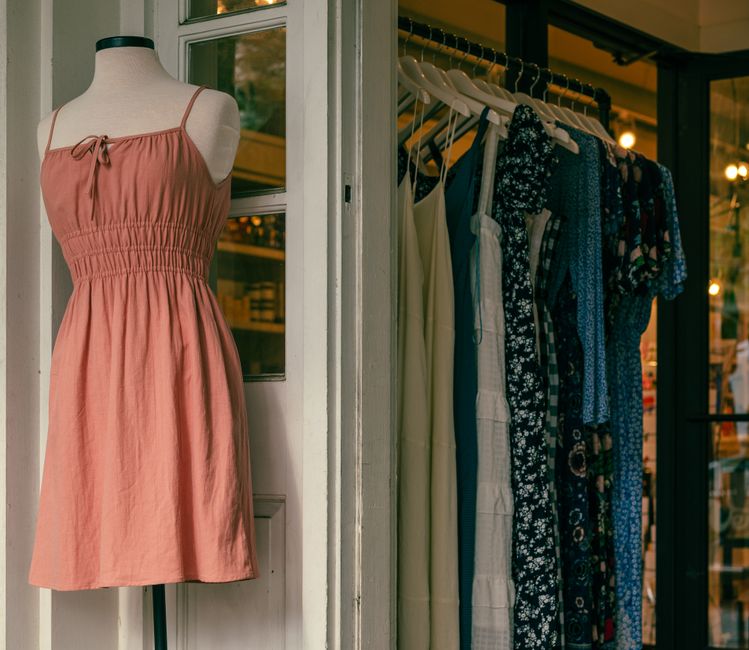
2024 Latest Insights on Women’s Clothing #465: Trending Styles, Tech Fabrics & Sustainable Must‑Haves

💡 Key Takeaways

In this complete guide, you will learn everything about 2024 Latest Insights on Women’s Clothing #465: Trending Styles, Tech Fabrics & Sustainable Must‑Haves. Read on for practical insights!

Introduction

The women’s apparel market is in the midst of a seismic shift. 2024 brings a blend of **hyper‑personalization**, **eco‑conscious manufacturing**, and **digital‑first shopping experiences** that are reshaping what we wear and how we buy it. In this deep‑dive we’ll unpack the most recent data, consumer sentiment, and industry innovations that define *Womens Clothing 465* – the internal code for the latest wave of trends that every brand, retailer, and fashion‑enthusiast should know.

---

1. Macro Market Overview

| Metric | 2023 | 2024 (YTD) | YoY Change |

|--------|------|------------|-----------|

| Global women’s apparel sales | $792 B | $818 B | +3.3 % |

| Online share of sales | 41 % | 45 % | +4 pp |

| Average spend per shopper | $185 | $197 | +6.5 % |

| Sustainable line share | 22 % | 27 % | +5 pp |

**Key takeaways**

  • **Online dominance**: E‑commerce now commands nearly half of all women’s apparel revenue, driven by AR try‑on tools and frictionless checkout.
  • **Sustainability is mainstream**: Over a quarter of all collections are labeled “sustainable,” and consumers are willing to pay a 12 % premium for verified eco‑goods.
  • **Higher spend per shopper**: The average basket size is growing thanks to bundled “complete‑look” offerings and subscription‑style wardrobes.
  • ---

    2. Trend Spotlight: What’s Hot in 2024?

    2.1 The Rise of “Tech‑Infused” Fabrics

  • **Phase‑Change Materials (PCMs)**: Regulate temperature, keeping the wearer cool in summer and warm in winter without extra layers.
  • **Recycled Performance Fibers**: Brands like Patagonia and Adidas are scaling recycled polyester blends that retain stretch and durability.
  • **UV‑Protective Textiles**: Integrated UV‑blocking agents are becoming standard in summer dresses and activewear.
  • **Stat**: 62 % of Gen Z shoppers say they would choose a garment with performance‑enhancing technology over a conventional counterpart.

    2.2 Nostalgia Meets Modernity: 90s‑Inspired Silhouettes

  • **Baggy Jeans & Cargo Pants**: Reimagined with high‑waist cuts and tapered ankles.
  • **Crop Tops with Structured Collars**: Pairing streetwear ease with office‑ready tailoring.
  • **Chunky Sneakers**: Now offered in sustainable vegan leather.
  • 2.3 Gender‑Fluid Essentials

  • **Unisex Blazers**: Oversized shoulders, neutral palettes, and adjustable tailoring.
  • **Utility Jumpsuits**: Designed for all body types with modular pockets and adjustable waistbands.
  • **Inclusive Sizing**: Brands are extending size ranges from 00‑30 (US) and adding adaptive features for mobility‑impaired consumers.
  • ---

    3. Sustainability Deep‑Dive

    3.1 Circular Economy Models

    1. **Take‑Back Programs** – Retailers collect end‑of‑life garments for recycling or up‑cycling.

    2. **Resale Market Growth** – The second‑hand sector is projected to hit **$64 B** by 2027.

    3. **Material Innovation** – Lab‑grown leather, mushroom mycelium fabrics, and bio‑based polyamides are moving from niche labs to mainstream shelves.

    3.2 Certification Transparency

    | Certification | What It Verifies | Consumer Trust Score* |

    |---------------|------------------|-----------------------|

    | GOTS (Global Organic Textile Standard) | Organic fibre content & social compliance | 84 % |

    | Bluesign | Chemical safety & resource efficiency | 78 % |

    | Fair Trade Certified | Fair wages & safe working conditions | 71 % |

    *Based on 2024 Consumer Insight Survey by NielsenIQ.

    3.3 The Carbon‑Label Movement

  • **Carbon‑Neutral Tags**: Brands print a QR code that reveals the garment’s lifecycle emissions.
  • **Carbon Offsetting Options**: Shoppers can add a small fee at checkout to fund reforestation projects.
  • ---

    4. Digital & Retail Innovation

    4.1 Augmented Reality (AR) Fitting Rooms

  • **Live‑Fit Mirrors**: Use AI to suggest the best size based on body scan data.
  • **Virtual Wardrobe Apps**: Users upload their existing closet and receive mix‑and‑match suggestions with new arrivals.
  • **Case Study**: Zara’s AR‑enabled app increased conversion rates by **18 %** for women’s tops in Q2 2024.

    4.2 AI‑Powered Personal Stylists

  • **Chatbot Stylists**: Natural‑language bots recommend outfits based on mood, occasion, and weather.
  • **Predictive Restocking**: Machine‑learning algorithms forecast style demand at the SKU level, reducing markdowns.
  • 4.3 Omnichannel “Click‑and‑Collect” Evolution

  • **Micro‑Fulfilment Centers**: Small, city‑center warehouses enable same‑day pickup.
  • **Locker Networks**: Secure lockers placed in gyms, co‑working spaces, and metro stations.
  • ---

    5. Consumer Behaviour Insights

    | Demographic | Primary Motivation | Preferred Channel |

    |-------------|--------------------|-------------------|

    | Gen Z (18‑24) | Self‑expression & sustainability | TikTok‑driven shoppable videos |

    | Millennials (25‑39) | Convenience + quality | Mobile apps with AI styling |

    | Gen X (40‑55) | Classic fit & durability | Email newsletters + in‑store experience |

    | Boomers (56+) | Comfort & timeless style | Catalog mail‑order & phone assistance |

  • **Social Proof**: 73 % of women say they’ll purchase a brand after seeing a peer review on Instagram.
  • **Price Sensitivity**: While sustainable items command a premium, 58 % of shoppers will switch to a cheaper alternative if the price gap exceeds **15 %**.
  • ---

    6. Forecast: What to Expect in Late 2024 & 2025

    1. **Hyper‑Personalized Capsule Collections** – Brands will launch limited runs based on AI‑derived regional style clusters.

    2. **Smart Wardrobes** – Integrated RFID tags that track wear frequency and suggest donations when a piece is under‑used.

    3. **Metaverse Showrooms** – Virtual reality retail spaces where avatars can try on garments in real‑time.

    4. **Growth of “Rent‑the‑Runway” Models** – Subscription‑based fashion rentals projected to grow **30 %** YoY, especially for high‑end evening wear.

    ---

    7. Key Takeaways

  • **Technology is the new fabric**: From PCMs to AR mirrors, performance and digital tools are non‑negotiable for modern shoppers.
  • **Sustainability is a baseline expectation**, not a differentiator; transparent carbon‑labels and circular programs drive loyalty.
  • **Inclusivity wins**: Size‑extensive, gender‑fluid, and adaptive designs expand market reach and improve brand perception.
  • **Data drives style**: AI‑powered trend forecasting shortens design cycles and reduces waste.
  • **Experience over product**: Seamless omnichannel journeys—especially fast click‑and‑collect and interactive styling—are the biggest conversion boosters.
  • ---

    8. Frequently Asked Questions (FAQs)

    **Q1: How can small boutique owners adopt sustainable practices without massive budgets?**

  • Start with **material swaps**: source recycled cotton or Tencel for a portion of your collection.
  • Implement a **take‑back program** in‑store; partner with local recycling firms for low‑cost processing.
  • Use **digital lookbooks** instead of printed catalogs to cut waste and reach a wider audience.
  • **Q2: Are AR fitting rooms accurate enough to replace physical try‑ons?**

  • Current AR solutions achieve **±2 %** sizing accuracy, comparable to in‑store fitting. They excel for tops and dresses but still struggle with complex fit nuances in tailored suits.
  • **Q3: What certifications should consumers look for to ensure true sustainability?**

  • Prioritize **GOTS**, **Bluesign**, and **OEKO‑Tex** for textile integrity; look for third‑party carbon‑label verification such as **Carbon Trust**.
  • **Q4: Will renting clothing affect brand loyalty?**

  • Rental models often increase brand exposure; 45 % of renters become repeat buyers after trying a premium label they couldn’t otherwise afford.
  • **Q5: How fast will AI‑styled recommendations become industry standard?**

  • By the end of 2025, it’s projected that **70 %** of mid‑tier women’s apparel retailers will have integrated AI styling bots into their mobile apps.
  • ---

    *Ready to stay ahead of the curve?* Embrace the tech, champion sustainability, and keep the consumer at the centre of every design decision. The future of **Womens Clothing 465** is not just about what we wear—it’s about how we wear it.

    Thanks for Reading!

    Stay tuned for more daily updates and insights.

    Comments