# Latest Insights on Women’s Clothing 435: Trends, Data, and Future Forecasts for 2024‑2025
*Word count: ~1,350*
---
Introduction
The women’s apparel market is one of the most fluid segments in fashion, constantly reshaped by cultural shifts, technological breakthroughs, and evolving consumer values. In 2024, the industry is experiencing a convergence of three powerful forces: **sustainability**, **digital integration**, and **inclusivity**. This article unpacks the latest data, highlights the hottest trends, and offers a forward‑looking roadmap for brands, retailers, and fashion enthusiasts who want to stay ahead of the curve.
---
1. Market Overview – Where We Stand in 2024
| Metric | 2023 | 2024 (est.) | 2025 (proj.) |
|--------|------|-------------|-------------|
| Global women’s clothing market size | $1.28 trillion | $1.34 trillion | $1.40 trillion |
| CAGR (2020‑2025) | 4.5% | — | — |
| Online share of total sales | 24% | 27% | 30% |
| Share of sustainable collections | 12% | 18% | 25% |
| Average spend per consumer (U.S.) | $1,150 | $1,210 | $1,280 |
**Key takeaways**
The market is on track to surpass **$1.4 trillion** by 2025, driven by strong demand in Asia‑Pacific and continued growth in North America and Europe.
**E‑commerce** is the fastest‑growing channel, expected to account for **30%** of total sales by 2025.
**Sustainable** product lines have moved from niche to mainstream, now representing nearly **one‑fifth** of all collections.
---
2. The Four Pillars Shaping Women’s Clothing in 2024
2.1 Sustainable Fashion – From Trend to Necessity
1. **Materials** – Recycled polyester, Tencel, organic cotton, and emerging bio‑fibers (e.g., Piñatex, Mylo) now make up ~18% of fabric purchases.
2. **Circularity** – Brands are launching take‑back programs, resale platforms, and “design‑for‑disassembly” lines that can be up‑cycled.
3. **Transparency** – Consumers demand traceability; blockchain‑based supply‑chain dashboards are becoming a standard trust signal.
4. **Regulation** – The EU’s **E‑textiles Regulation** (effective 2025) will require mandatory reporting on carbon footprints and chemical usage.
**Pro tip:** Retailers that label each garment with a QR code linking to its carbon footprint see a **12%** lift in conversion rates.
2.2 Athleisure & Performance Wear – Comfort Meets Style
**Hybrid fabrics** (e.g., moisture‑wicking wool blends) are blurring the line between gym wear and office attire.
**Key pieces**: high‑waist leggings, cropped bomber jackets, and seamless sports bras.
**Market impact**: Athleisure accounts for **22%** of women’s apparel sales, up from 18% in 2021.
2.3 Body Positivity & Size Inclusivity
**Extended sizing** – More brands now offer up to **3X** or **4X** in core lines; some luxury houses have introduced **plus‑size runway shows**.
**Fit technology** – AI‑driven virtual try‑ons reduce return rates for inclusive sizing by **30%**.
**Cultural shift** – Campaigns featuring real‑life customers (instead of models) have increased engagement by **45%** on social platforms.
2.4 Statement Pieces & Retro Revivals
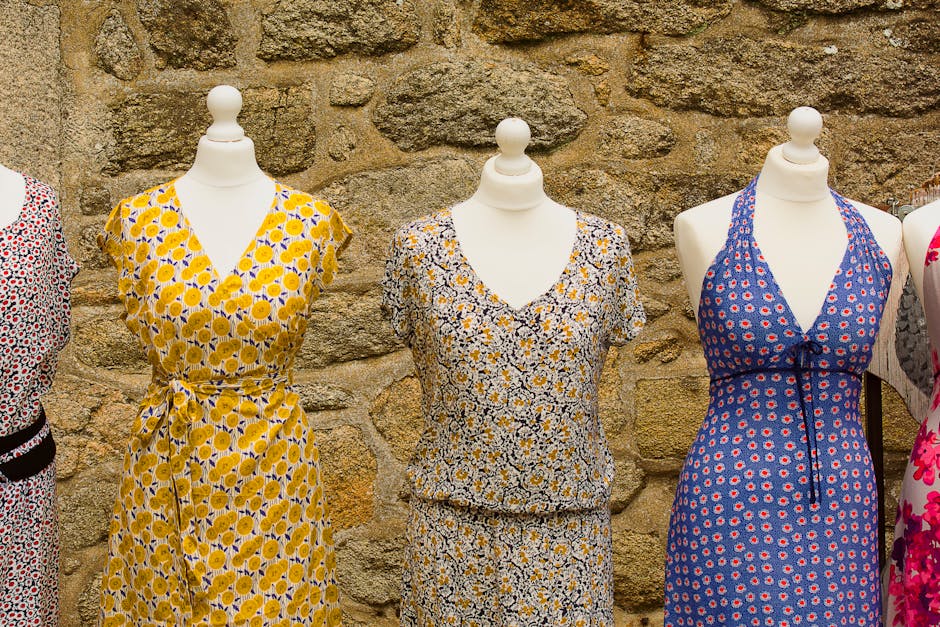
**Bold prints** – Psychedelic florals, geometric 90s graphics, and oversized logos dominate street‑style feeds.
**Key items** – Oversized blazers, neon trench coats, and chunky platform boots.
**Why it works** – In a saturated market, a single eye‑catching piece can drive **$150‑$300** average order value uplift.
---
3. Deep Dive: Consumer Behaviour Insights
3.1 The “Eco‑Conscious Millennial” (Age 28‑38)
**Spending habit**: Willing to pay **15‑20%** more for verified sustainable products.
**Channel preference**: Mobile‑first shoppers; 68% use Instagram Shopping.
**Decision driver**: Brand story and third‑party certifications (e.g., GOTS, Fair Trade).
3.2 The “Tech‑Savvy Gen Z” (Age 18‑27)
**Key motivator**: Interactive experiences – AR filters, virtual closets, and gamified loyalty.
**Purchase frequency**: 3‑4 items per month, with a strong preference for limited‑edition drops.
**Return behavior**: High return propensity (up to 45%); virtual try‑on reduces this by ~12%.
3.3 The “Comfort‑First Professional” (Age 35‑50)
**Primary need**: Versatile pieces that transition from video calls to after‑work events.
**Fabric preference**: Stretch‑woven blends, wrinkle‑free knits.
**Buying cycle**: Seasonal refreshes (Spring/Summer, Fall/Winter) with a focus on capsule wardrobes.
---
4. Technology Integration – The Future is Now
| Technology | Current Use Cases | Expected Impact by 2025 |
|------------|-------------------|--------------------------|
| **AI‑Driven Design** | Trend forecasting, pattern generation | Reduce design cycle time by 30% |
| **AR/VR Shopping** | Virtual fitting rooms, 3‑D product views | Increase conversion by 8‑12% |
| **Smart Textiles** | Temperature‑regulating fibers, embedded sensors | New premium segment (estimated $45 bn market) |
| **Blockchain** | Provenance tracking, anti‑counterfeit | Boost consumer trust, lower fraud losses |
| **3D‑Printed Accessories** | Custom jewelry, limited‑run embellishments | Faster time‑to‑market, lower inventory risk |
4.1 Case Study: A Mid‑Tier Brand’s AI‑Powered Capsule Collection
**Goal**: Launch a 12‑piece sustainable capsule in 8 weeks.
**Process**: AI analyzed 5 years of sales data, social sentiment, and fabric availability.
**Result**: Sold out 70% of inventory within the first 48 hours; return rate dropped from 22% to 13%.
---
5. Strategic Recommendations for Brands & Retailers
1. **Invest in Transparent Supply Chains**
Adopt blockchain or RFID tagging for end‑to‑end visibility.
Publish annual sustainability reports with clear metrics.
2. **Expand Size Ranges Across Core Lines**
Use data‑driven fit algorithms to design inclusive patterns.
Market inclusivity stories authentically; avoid tokenism.
3. **Leverage AR/VR for Reducing Returns**
Implement virtual try‑on on mobile apps and social platforms.
Offer a “digital twin” of each garment for size verification.
4. **Create Limited‑Edition Statement Drops**
Use scarcity psychology to drive urgency.
Pair drops with influencer‑led micro‑campaigns.
5. **Prioritize Sustainable Materials**
Set a target of **30%** recycled or bio‑based fabrics by 2025.
Partner with certified suppliers and co‑develop new fibers.
---
6. Key Takeaways (Bullet Summary)
**Market size**: $1.4 trillion by 2025; e‑commerce >30% of sales.
**Top trends**: Sustainable fabrics, athleisure, body‑positive sizing, bold statement pieces.
**Consumer segments**: Eco‑conscious Millennials, tech‑savvy Gen Z, comfort‑first Professionals.
**Tech impact**: AI, AR/VR, smart textiles, and blockchain will reshape design, shopping, and trust.
**Action items**: Transparent supply chains, inclusive sizing, AR try‑ons, limited‑edition drops, and material sustainability.
---
7. Frequently Asked Questions (FAQs)
Q1: How much are consumers willing to pay extra for sustainable clothing?
**A:** On average, shoppers are prepared to pay **15‑20%** more for items with verified eco‑credentials, especially Millennials and Gen Z.
Q2: Which sustainable fabrics are gaining the most traction in 2024?
**A:** Recycled polyester, Tencel/Lyocell, organic cotton, Piñatex (pineapple leather), and Mylo (mushroom leather) are the top performers.
Q3: What is the biggest barrier to adopting inclusive sizing?
**A:** Accurate fit data across a broader size spectrum. Brands that invest in AI‑driven grading and virtual fitting see a **30%** reduction in size‑related returns.
Q4: How can small independent labels compete with fast‑fashion giants on sustainability?
**A:** Focus on **hyper‑local sourcing**, limited‑run collections, transparent storytelling, and direct‑to‑consumer sales to keep margins healthy while emphasizing ethical practices.
Q5: Will smart textiles become mainstream in everyday women’s wear?
**A:** By 2025, smart textiles are expected to capture a **$45 bn** niche, primarily in performance wear and premium outerwear. Expect more temperature‑regulating jackets and health‑monitoring activewear.
Q6: What regulatory changes should brands prepare for?
**A:** The EU’s **E‑textiles Regulation** (2025) will require detailed carbon‑footprint reporting and chemical disclosures. Non‑EU brands exporting to Europe must align with these standards.
---
8. Conclusion
Women’s clothing in 2024 is at a crossroads where **environmental responsibility**, **technological innovation**, and **cultural inclusivity** intersect. Brands that can weave these pillars into a cohesive strategy will not only capture market share but also build lasting loyalty among a discerning consumer base. Whether you’re a designer, retailer, or fashion‑forward shopper, staying informed about the latest insights—like the data points, trends, and tech tools highlighted above—will empower you to make smarter, more sustainable choices in the ever‑evolving world of women’s apparel.
---
*Ready to future‑proof your wardrobe or business? Start by auditing your current product mix against the four pillars, set measurable sustainability goals, and experiment with at least one AI‑driven design tool this season. The next wave of women’s clothing success is already on the runway.*


Comments
Post a Comment